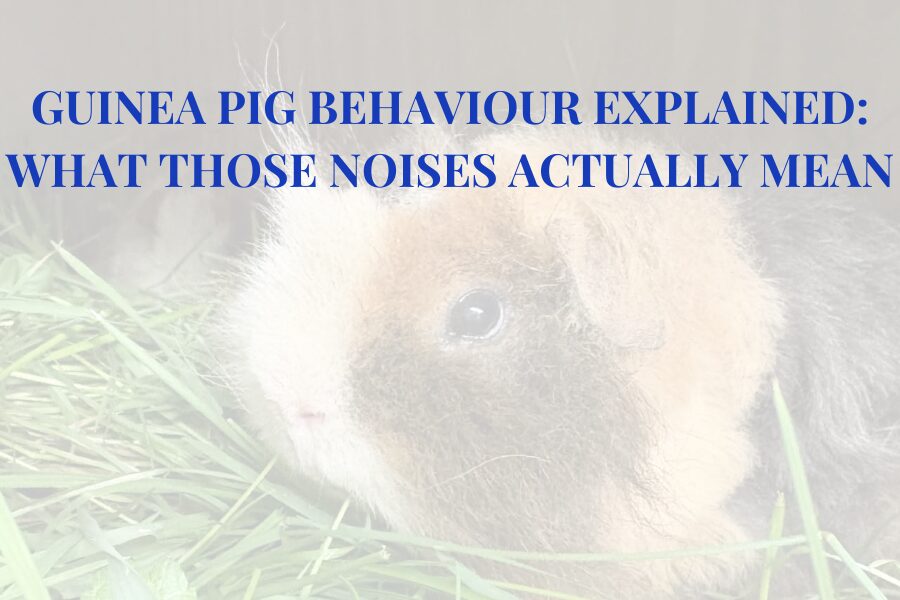
Guinea pigs are extremely vocal little animals. Unlike many small pets, they use a wide range of sounds to communicate with each other — and with us. For new owners, these noises can be confusing, amusing, or even worrying.
Is that sound happiness? Fear? Hunger? Annoyance?
In this guide, we’ll break down the most common guinea pig noises, what they usually mean, and how to tell the difference between normal communication and signs of stress or discomfort.
Why Are Guinea Pigs So Noisy?
Guinea pigs are prey animals and highly social. In the wild, vocalisation helps them:
- Stay connected with their group
- Warn others of danger
- Express dominance or submission
- Communicate needs like hunger or discomfort
Pet guinea pigs retain these instincts, which is why many become very talkative once they feel safe.
Wheeking: The Loud Food Call
What it sounds like: A high‑pitched, squeaky whistle
What it means:
- Excitement
- Anticipation (usually food)
- Recognition of routines
Wheeking is the sound most people associate with guinea pigs. Many pigs learn to wheek when they hear the fridge, a bag rustling, or their owner approaching.
This is a positive sound and a sign your guinea pig feels secure and confident.
Purring: Contentment or Warning?
Purring can be confusing because it has different meanings depending on pitch and body language.
Low, steady purr
Meaning:
- Relaxation
- Contentment
- Enjoyment (often during gentle petting)
Deep, vibrating purr with tense body
Meaning:
- Annoyance
- Mild warning
- Discomfort
Always look at posture. A relaxed guinea pig stretched out and purring is happy. A stiff guinea pig with raised head and vibrating purr is asking for space.
Chutting and Chirruping: Casual Conversation
What it sounds like: Soft, repetitive short noises
What it means:
- Exploration
- Mild curiosity
- Calm interaction with cage mates
These sounds are common during roaming, cage rearranging, or gentle social interaction. They are normal and usually indicate a relaxed environment.
Teeth Chattering: A Clear Warning
What it sounds like: Rapid clicking or grinding of teeth
What it means:
- Anger
- Fear
- Strong warning
Teeth chattering is not a happy sound. It often occurs when:
- Guinea pigs are arguing
- A pig feels threatened
- Handling is unwanted
If you hear this noise, stop what you’re doing and assess the situation.
Screaming or Shrieking: Immediate Distress
What it sounds like: A loud, sharp, sudden scream
What it means:
- Pain
- Extreme fear
- Panic
This noise should never be ignored. If it happens during handling, stop immediately. If it happens in the enclosure, check for injury, fighting, or something causing distress.
Rumbling: Dominance Behaviour
What it sounds like: Low, rolling vibration
What it means:
- Dominance display
- Courtship behaviour
Rumbling is commonly seen when:
- Introducing guinea pigs
- Establishing hierarchy
- A boar or sow is asserting dominance
It is often accompanied by swaying hips or circling. This behaviour is normal unless it escalates into aggression.
Hissing or Spitting: Strong Displeasure
What it sounds like: Short, sharp hiss
What it means:
- Strong annoyance
- Defensive reaction
This is less common but can happen if a guinea pig feels cornered or threatened. Give them space and avoid forced interaction.
Chirping: The Rare Mystery Sound
What it sounds like: A bird‑like chirp
What it means:
- Not fully understood
Chirping is rare and often happens late at night. Some guinea pigs appear trance‑like when chirping, while others remain alert. There is no clear agreement on its purpose, but it is not usually linked to illness.
Body Language Matters
Guinea pig sounds should always be interpreted alongside body language.
Signs of a relaxed guinea pig:
- Stretched‑out posture
- Slow movements
- Soft eyes
- Quiet purring or chutting
Signs of stress or fear:
- Freezing
- Raised head
- Teeth chattering
- Attempting to flee
Sound alone does not tell the full story.
Do All Guinea Pigs Sound the Same?
No. Just like people, guinea pigs have individual personalities. Some are very vocal, while others are quiet. Over time, owners often learn their guinea pigs’ unique sounds and what they mean in specific situations.
When Noises Can Signal a Problem
While most sounds are normal communication, unusual or sudden changes can indicate an issue.
Contact a veterinarian if:
- Screaming occurs without an obvious cause
- Vocalisation is paired with lethargy or loss of appetite
- Teeth grinding is constant (not chattering)
Pain‑related sounds are often accompanied by behaviour changes.
Final Thoughts
Guinea pig noises are one of the best ways they communicate with us. Learning to understand these sounds helps you respond appropriately, build trust, and ensure your guinea pig feels safe and heard.
With time, you’ll know which noises mean dinner is late — and which ones mean something isn’t quite right.
Disclaimer: This article is based on general guinea pig behaviour knowledge and experience. It is not a substitute for professional veterinary advice. If you are concerned about your guinea pig’s health or behaviour, consult a qualified exotic veterinarian.