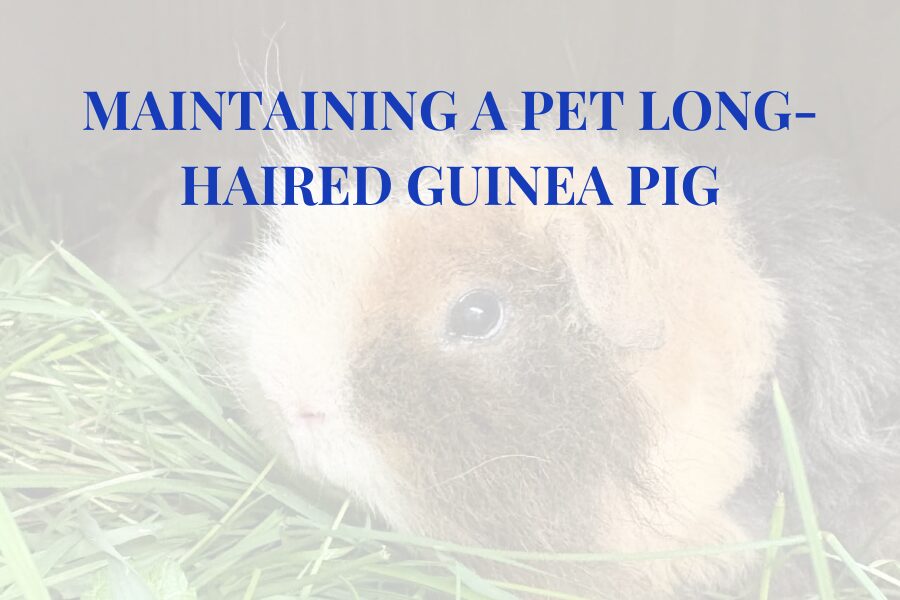
Long-haired guinea pigs are popular pets thanks to their flowing coats, calm temperaments, and unique appearance. Breeds such as Alpacas, Peruvians, Shelties, Coronetts, and Texels are often chosen for their beauty, but their coat length does mean they require a slightly different care routine compared to short-haired guinea pigs.
The main challenges owners face are coat matting and hair becoming wet or dirty if it is allowed to grow too long.
With regular maintenance, correct bedding choices, and sensible grooming habits, long-haired guinea pigs are straightforward to care for and make excellent pets.
Understanding the Long-Haired Coat
A long-haired guinea pig’s coat grows continuously. Unlike short-haired guinea pigs, the hair does not stop growing or naturally break off. Over time, the coat can reach the ground, particularly along the sides and rear.
When hair becomes excessively long, it can drag through bedding, water spills, and droppings. This leads to the coat becoming wet or dirty, which then increases the chance of tangles and mats forming. These issues are not caused by sensitive skin but by simple coat management.
The purpose of grooming is to keep the coat clean, dry, and manageable so the guinea pig remains comfortable in everyday life.
Daily Coat Checks
Daily coat checks are one of the most effective ways to prevent problems before they start. These checks do not require tools and usually take less than a minute.
Focus on areas where hair is most likely to tangle or get wet. This includes the bottom area, the belly, under the chin, behind the ears, and along the sides. Running your fingers lightly through the coat helps you feel small tangles early.
Catching knots at this stage makes grooming quick and stress-free and reduces the need for cutting out mats later.
Grooming Tools: Combs Only
For long-haired guinea pigs, combs are the correct grooming tool. Brushes are not suitable for long coats as they tend to skim over the top of the hair and miss tangles underneath.
A comb separates the hair properly and allows you to work through the coat in sections. A wide-tooth comb is ideal for general grooming, while a finer comb can be useful for checking the ends of the coat and areas prone to knotting.
Always comb gently and work from the tips of the hair upward if needed. If you encounter a knot, never pull through it. Loosen it carefully with your fingers or trim it out if necessary.
How Often to Comb
Most pet long-haired guinea pigs benefit from combing every second day. Guinea pigs with very long or thick coats may require daily combing, particularly around the rear and belly.
Regular combing prevents tangles from developing into mats and helps maintain a clean, tidy coat. Many guinea pigs become relaxed during grooming once it becomes part of their routine.
Trimming for Practical Pet Care
Trimming is an important part of maintaining a long-haired guinea pig as a pet. While show animals may keep full coats, pet guinea pigs are more comfortable when excess length is managed.
Trimming hair that drags on the ground helps prevent wetness and tangling. The belly, sides, and rear benefit the most from regular trimming. Keeping the bottom area neat makes hygiene easier and reduces the chance of the coat becoming soiled.
Trimming does not need to be extreme. The aim is simply to shorten the hair so it stays off the ground. Rounded-tip scissors and slow, careful movements are recommended.
Bathing Long-Haired Guinea Pigs
Regular bathing is acceptable for long-haired guinea pigs and can be beneficial for keeping the coat clean, especially for pets with long skirts or active lifestyles.
Bathing helps remove dirt, urine residue, and debris that may become trapped in longer hair. When done correctly, bathing does not harm the skin or coat.
Use a guinea pig-safe or mild small-animal shampoo and warm water. Avoid the face and ears, and rinse thoroughly. After bathing, towel dry well and keep the guinea pig warm until fully dry.
Bathing frequency depends on the individual guinea pig, coat length, and housing conditions. Some long-haired guinea pigs benefit from routine baths as part of their grooming schedule.
Housing and Bedding Choices
Housing plays a major role in coat condition. Long-haired guinea pigs are affected more quickly by damp or dirty environments simply because their hair is longer.
Wood shavings are often preferred for long-haired guinea pigs because they help keep the coat dry and allow moisture to fall away from the surface. This reduces the chance of hair sitting in damp bedding.
Fleece bedding, while popular, can allow moisture to sit on the surface and may contribute to coats becoming wet, especially for long-haired guinea pigs. For this reason, wood shavings are often the more practical option for maintaining coat cleanliness.
Daily spot cleaning and regular full cage cleans are essential. Water bottles should be checked for leaks, and hay should be kept off damp areas.
Nutrition and Coat Health
A healthy coat begins with good nutrition. Long-haired guinea pigs require the same balanced diet as other guinea pigs, with unlimited access to quality hay, daily fresh vegetables, and adequate vitamin C.
Proper nutrition supports steady hair growth, coat strength, and overall wellbeing. A well-fed guinea pig will have a coat that is easier to maintain and less prone to breakage or uneven growth.
Seasonal Considerations
In warmer months, long hair can hold heat and moisture. Trimming coats shorter during summer helps keep guinea pigs comfortable and reduces the chance of wet or dirty hair.
Good airflow, shade, and dry bedding are especially important during warm weather. Grooming and bathing should ideally be done during cooler parts of the day.
Seasonal trimming is a practical way to adjust coat length without compromising comfort.
Common Grooming Mistakes
One common mistake is relying on brushes instead of combs, which allows tangles to go unnoticed. Another is leaving coats long enough to drag, increasing wetness and matting.
Infrequent grooming followed by heavy intervention is also less effective than consistent light maintenance. Regular combing, trimming, and bathing when needed keep coat care manageable.
Frequently Asked Questions
Is it okay to bathe long-haired guinea pigs regularly?
Yes. Regular bathing is fine and can help keep the coat clean when done correctly using appropriate products and drying thoroughly.
Should I use fleece or wood shavings?
Wood shavings are often better for long-haired guinea pigs as they help keep the coat dry and reduce moisture sitting on the hair.
Do I need to trim my guinea pig’s hair?
Yes. Trimming is recommended for pet guinea pigs to keep the coat off the ground and prevent wetness and tangling.
How often should I comb the coat?
Every second day is suitable for most pets, with daily combing for very long coats.
Disclaimer
This article is intended for general information and pet care education only. It does not replace professional veterinary advice. If your guinea pig shows signs of illness, discomfort, abnormal hair loss, or changes in behaviour, consult a qualified veterinarian.