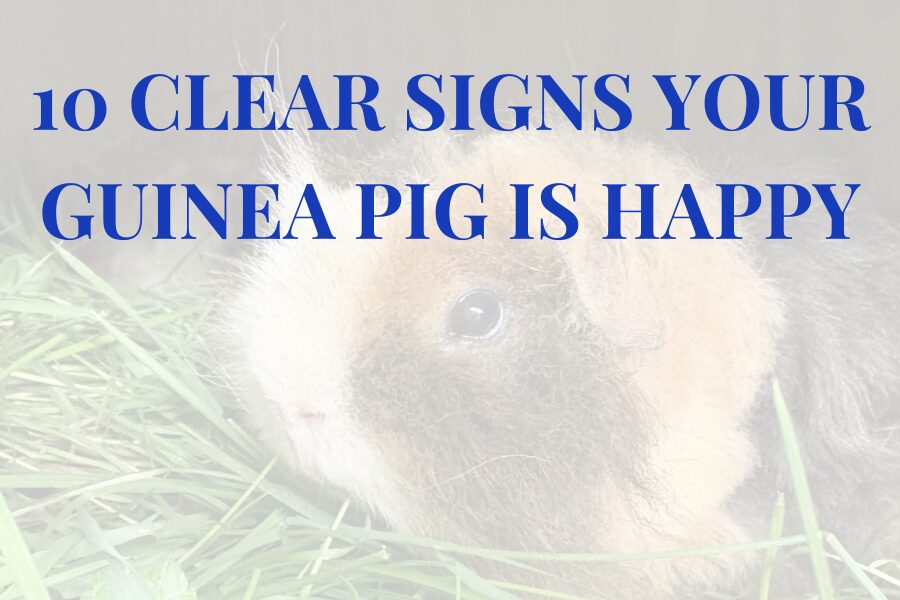
Guinea pigs are gentle, intelligent, and highly expressive animals. While they may be small and quiet compared to other pets, they communicate their emotions clearly through behaviour, posture, sounds, and daily habits. Understanding the signs of a happy guinea pig is essential for any owner who wants to provide excellent care and ensure their cavy is thriving, not just surviving.
This guide explores the most reliable and commonly observed signs that your guinea pig is happy, comfortable, and content in their environment. Whether you are new to guinea pig ownership or have years of experience, recognising these behaviours will help you assess welfare, strengthen trust, and spot potential problems early.
1. Popcorning: A Strong Indicator of Joy
Popcorning is one of the most well-known and unmistakable signs of a happy guinea pig. This behaviour involves sudden jumps into the air, often accompanied by twists or kicks. It usually happens when a guinea pig is excited, energetic, or feeling particularly good.
Popcorning is most commonly seen:
- During floor time or free roaming
- After a cage clean or refresh
- When young guinea pigs are playing
- When a guinea pig feels safe and stimulated
Adult guinea pigs may popcorn less frequently than younger ones, but when they do, it is a very positive sign. A guinea pig that never popcorns may still be happy, especially if they are older, but frequent popcorning is a clear expression of joy.
2. Relaxed and Comfortable Body Language
Body language says a lot about how secure a guinea pig feels. Happy guinea pigs show relaxed postures rather than tense or defensive ones. These can include:
- Sitting calmly with legs tucked under the body
- Stretching out fully while resting
- Briefly lying on their side or belly
- Remaining still and relaxed when resting near cage mates
A guinea pig that feels unsafe will often appear tense, crouched, or ready to flee. In contrast, relaxed postures indicate trust in their surroundings and confidence that they are not in danger.
3. Positive Vocalisations and Communication
Guinea pigs are vocal animals and use a wide range of sounds to communicate. Happy guinea pigs often make specific noises associated with anticipation, comfort, and social interaction.
Common positive sounds include:
- Wheeking when they hear food preparation or their owner approaching
- Soft purring during gentle petting
- Quiet chirps or murmurs when content
Understanding your guinea pig’s vocal patterns helps you recognise emotional changes. Sudden silence or distress sounds such as shrieking, teeth chattering, or constant whining may indicate stress or discomfort and should be monitored closely.
4. A Strong and Consistent Appetite
A healthy appetite is one of the clearest indicators of a happy guinea pig. Content guinea pigs eagerly eat hay, vegetables, and pellets and show excitement when food is offered.
Signs of a good appetite include:
- Eating hay regularly throughout the day
- Approaching the cage front at feeding time
- Finishing fresh vegetables
- Maintaining a healthy, stable weight
Guinea pigs are grazing animals, and constant hay consumption is essential. A reduction in appetite is not normal and can quickly become serious. While appetite alone does not define happiness, a guinea pig that eats well is usually feeling comfortable and well cared for.
5. Curiosity and Willingness to Explore
Happy guinea pigs are curious about their environment. During floor time or in a well-enriched enclosure, they will explore, investigate new items, and move confidently around their space.
Examples of curious behaviour include:
- Entering and exiting hides frequently
- Sniffing new toys or tunnels
- Exploring new layouts after cage changes
- Zooming or running laps around the enclosure
A lack of curiosity can sometimes indicate boredom, stress, or health concerns. Providing enrichment encourages natural behaviour and supports emotional wellbeing.
6. Regular Grooming Behaviour
Self-grooming is a normal and healthy behaviour that often indicates a guinea pig feels relaxed and secure. You may see them cleaning their face, adjusting their fur, or scratching gently.
In bonded pairs or groups, mutual grooming may also occur. This behaviour strengthens social bonds and is typically calm and gentle. Excessive grooming or hair loss, however, can indicate stress or dominance issues and should be monitored.
7. Bright Eyes and a Well-Maintained Coat
Physical condition and emotional wellbeing are closely linked. Happy guinea pigs usually display:
- Clear, bright eyes without discharge
- A smooth, clean coat
- Clean ears and nose
- Alert but calm facial expression
While grooming and coat condition are influenced by diet and health, a guinea pig that feels well and content often looks well cared for. Dull eyes, rough coat, or poor grooming habits may signal that something is wrong.
8. Comfort and Trust Around Humans
Guinea pigs are prey animals, so trust develops gradually. A happy guinea pig does not need to be cuddly or enjoy constant handling, but they should feel safe around their owner.
Signs of growing trust include:
- Approaching you at the cage front
- Taking food from your hand
- Remaining calm during gentle handling
- Relaxing once supported correctly
Each guinea pig has a unique personality. Some will always be more cautious, but fear-based behaviours should lessen over time in a positive environment.
9. Healthy Social Interactions
Guinea pigs are social animals and generally thrive with compatible companions. Happy guinea pigs communicate with cage mates and establish calm social routines.
Positive social signs include:
- Quiet vocal exchanges
- Peaceful sharing of space and food areas
- Mutual resting near one another
- Minimal chasing or aggression
Occasional dominance behaviour is normal, but ongoing aggression, fighting, or isolation can indicate stress and should be addressed.
10. Balanced Activity and Rest Patterns
Happy guinea pigs follow natural cycles of activity and rest throughout the day and night. They may be active in short bursts, followed by periods of resting or sleeping.
Healthy rest behaviour includes:
- Napping in safe, sheltered areas
- Resting near companions
- Calm behaviour between activity periods
A guinea pig that never rests or seems constantly lethargic may not be feeling well. Balance is key.
Supporting Long-Term Happiness
To support these positive signs, guinea pigs need consistent care and appropriate living conditions. Key factors include:
- Unlimited access to high-quality hay
- Fresh vegetables provided daily
- A suitable pellet designed for guinea pigs
- Clean, spacious housing
- Regular cage cleaning
- Companionship from other guinea pigs
- Enrichment such as hides, tunnels, and floor time
- Gentle, respectful handling
Routine observation is one of the most important tools an owner has. Behavioural changes often appear before physical symptoms.
Final Thoughts
A happy guinea pig is not defined by a single behaviour but by a pattern of relaxed, curious, and engaged actions over time. By learning to recognise these signs, owners can feel confident they are providing a safe and supportive environment.
Guinea pigs rely on us to meet their physical and emotional needs. Paying attention to their behaviour is one of the most effective ways to ensure their wellbeing and to enjoy a rewarding relationship with these gentle animals.
Disclaimer
This article is intended for general educational purposes only and is based on common guinea pig behaviour and husbandry knowledge. It is not veterinary advice and should not be used as a substitute for professional diagnosis or treatment. If you are concerned about your guinea pig’s health or behaviour, always consult a qualified exotic or small animal veterinarian.